Tucked into the Western Ghats of northern Kerala, Wayanad is a highland district where steep slopes, forest fringes and valley bottoms are closely interwoven. Agriculture is central to local livelihoods: smallholders cultivate paddy in the lowlands, while hill slopes are covered with mixed plantations of coffee, pepper, rubber, fruits and spices. This mosaic of farms and forest patches makes Wayanad both a biodiversity hotspot and a region where questions of land use, climate resilience and rural incomes are especially visible in everyday farming practice.
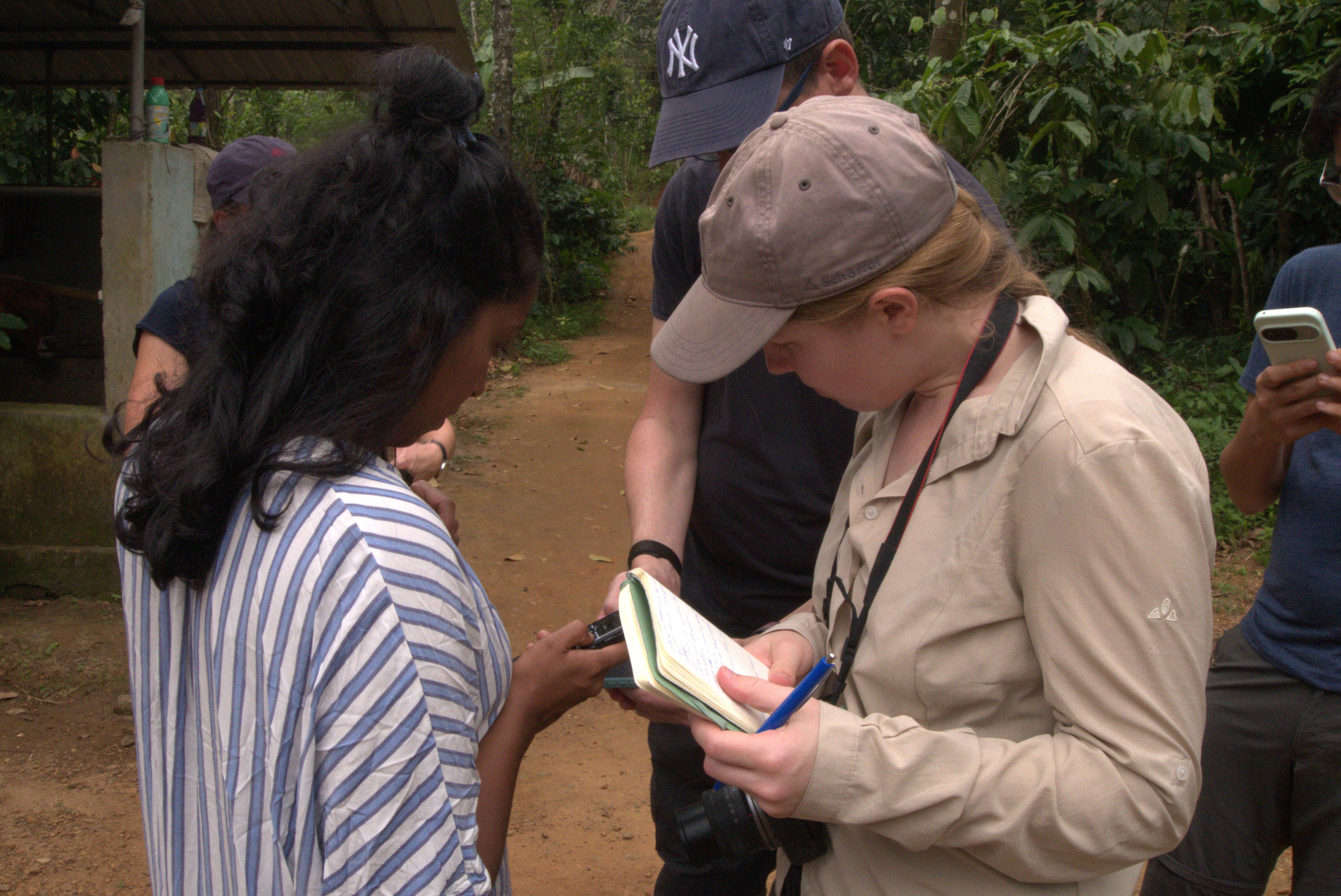
As one of the main missions during the scoping trip, the BF team set off for Wayanad, a lush, hilly district in Kerala where agriculture shapes both landscapes and livelihoods. The visit was designed as a scoping trip – but quickly became much more: an immersion into the everyday realities, creativity and challenges of smallholder farming in the region.
14 September – Agroforests and banana diversity in practice
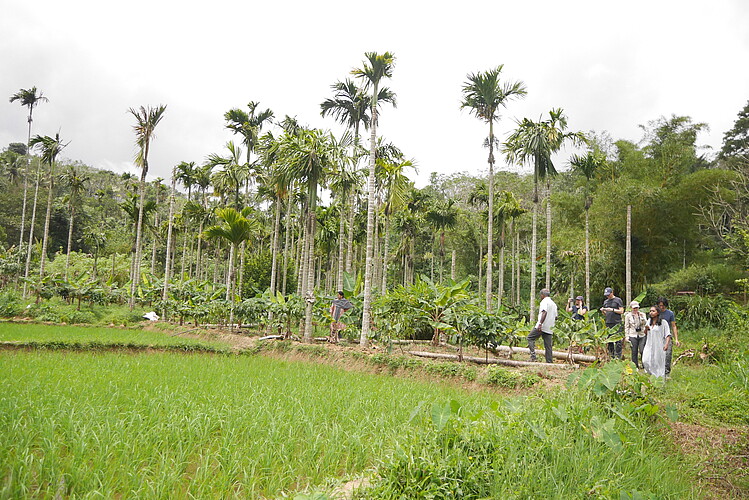
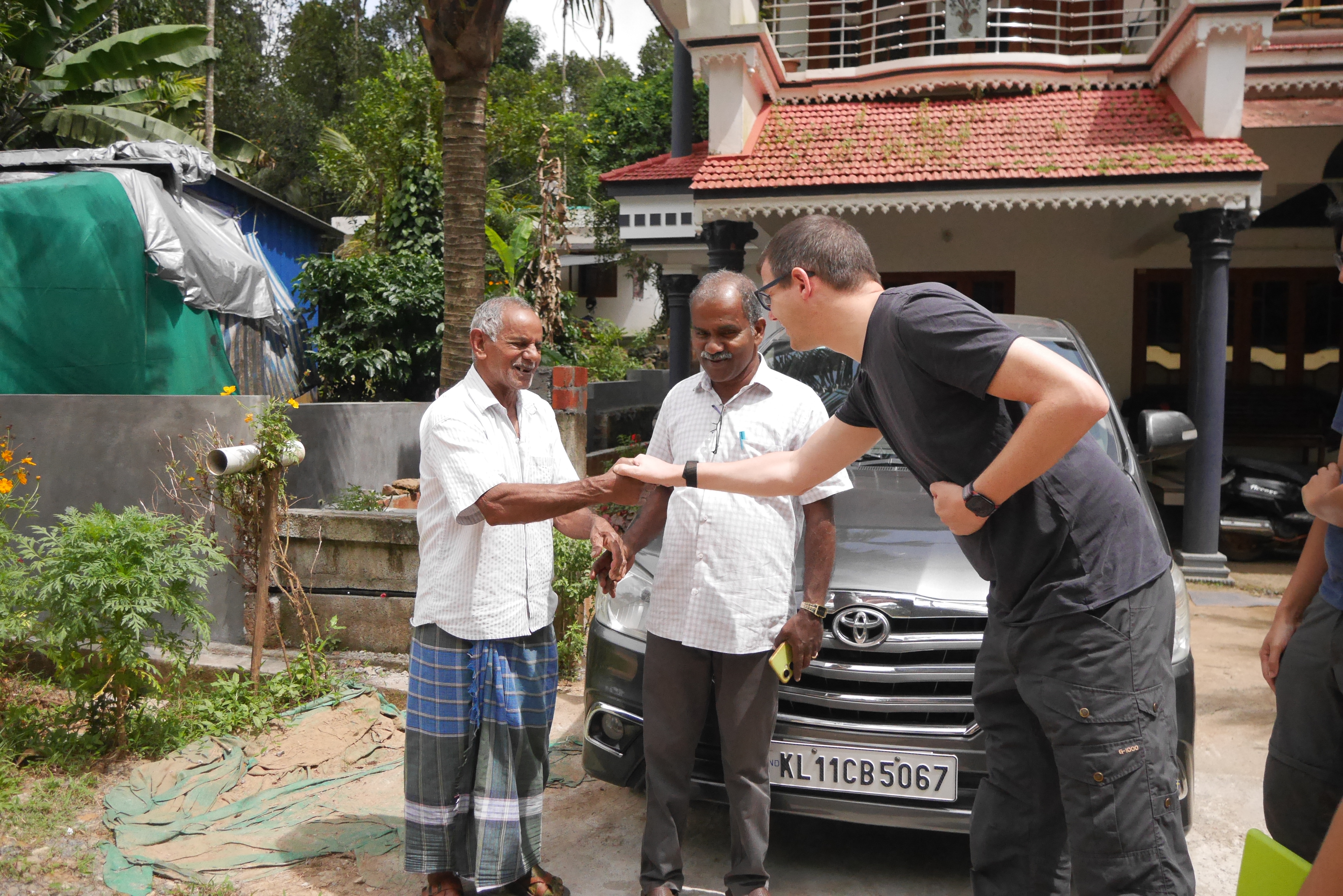
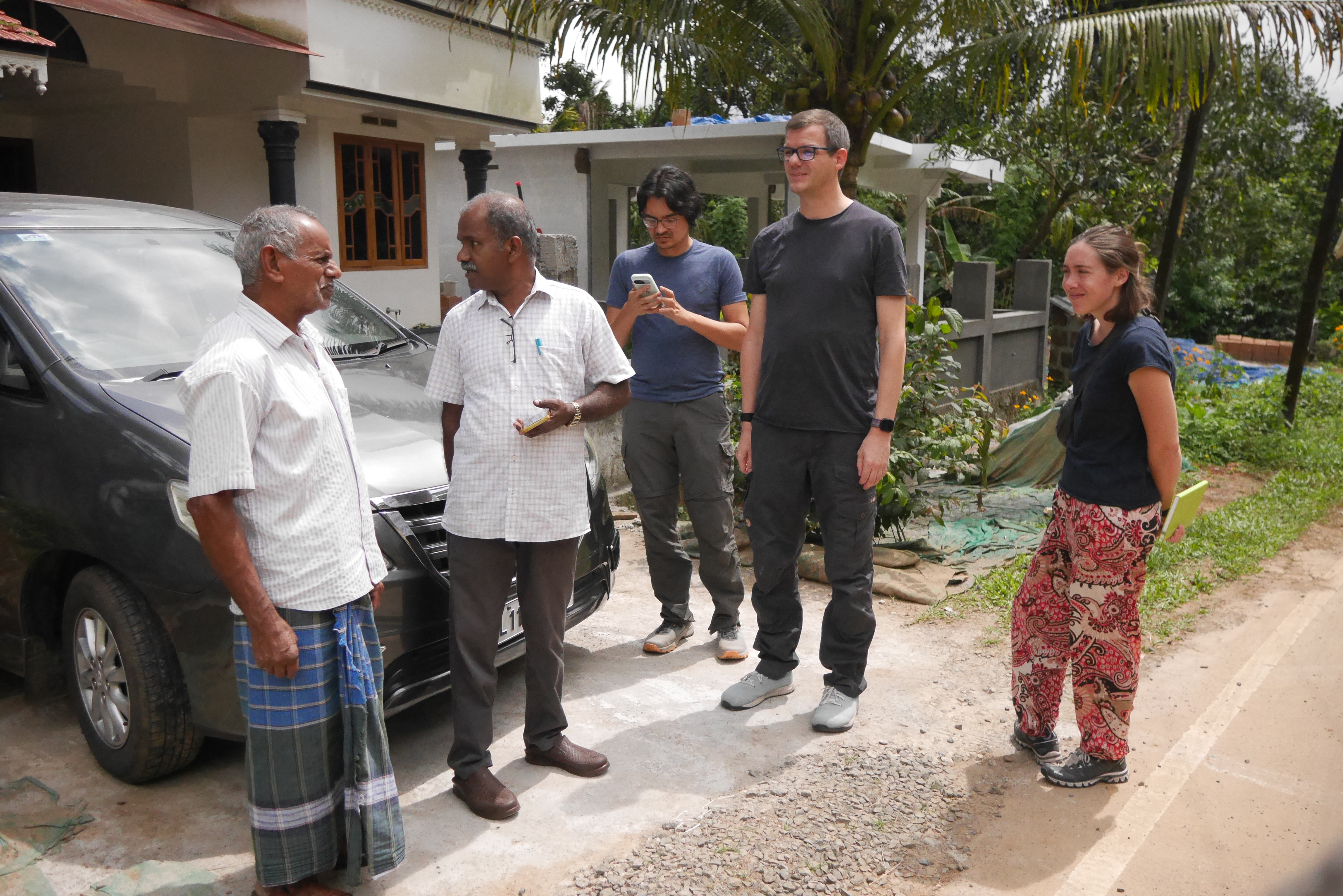
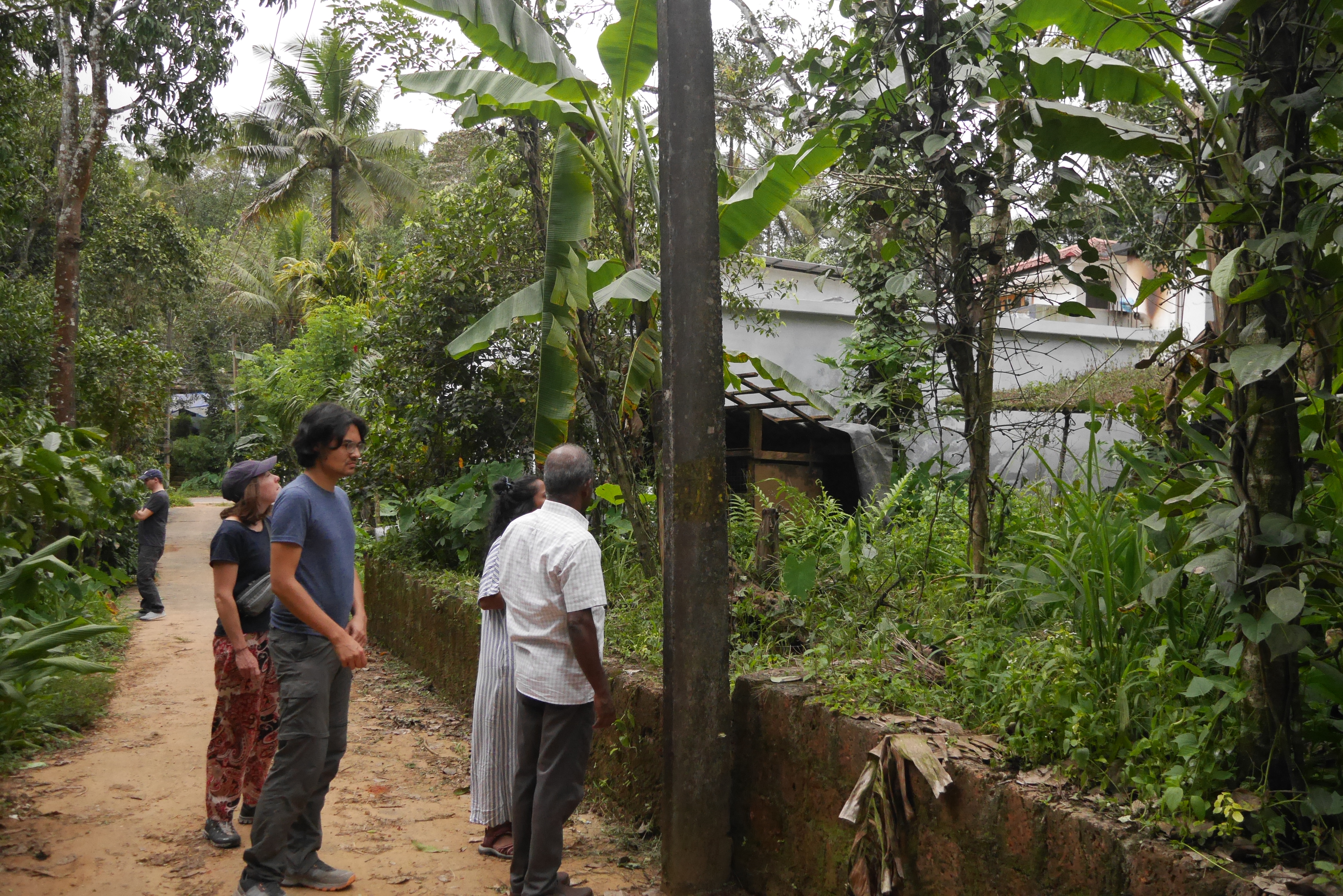
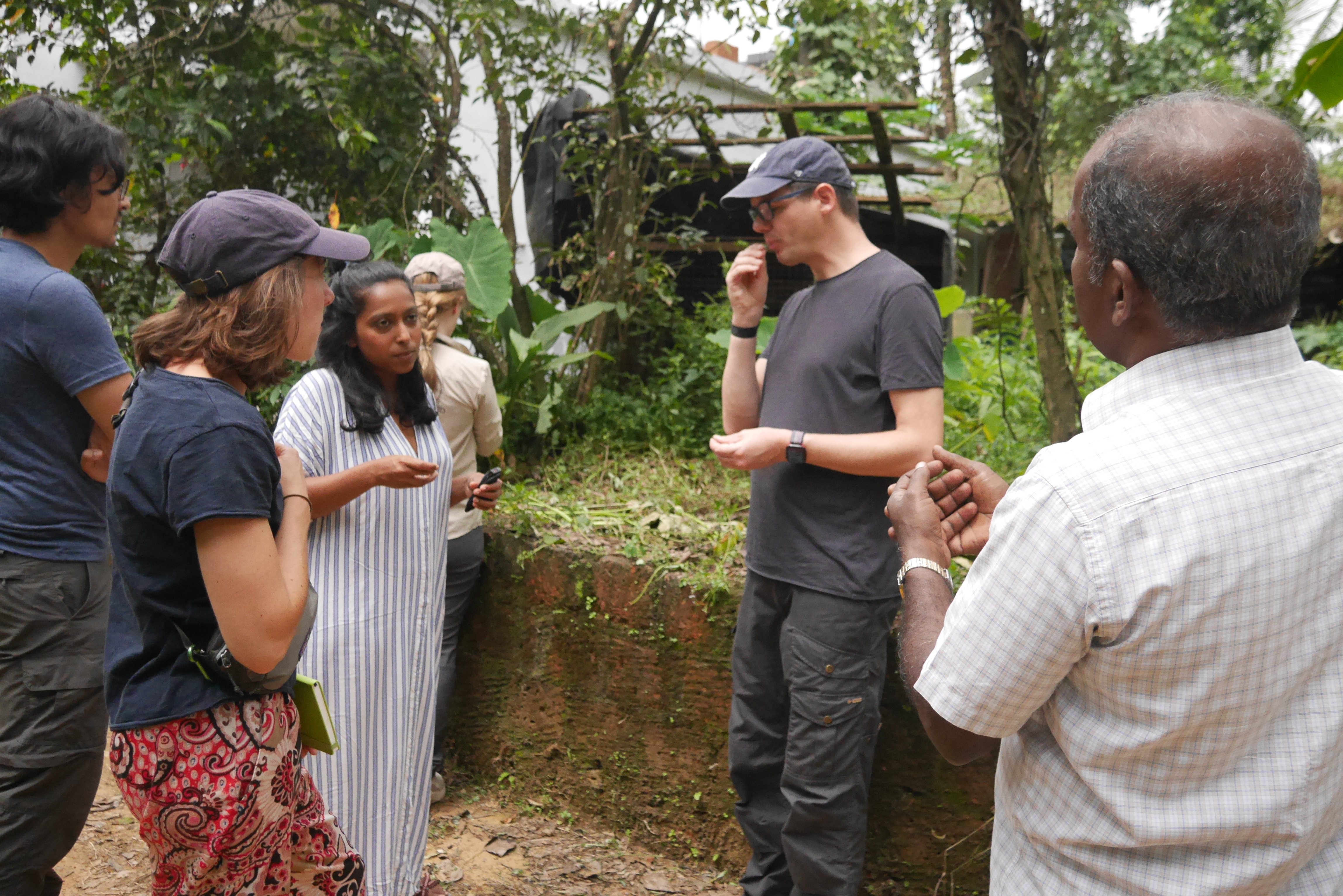
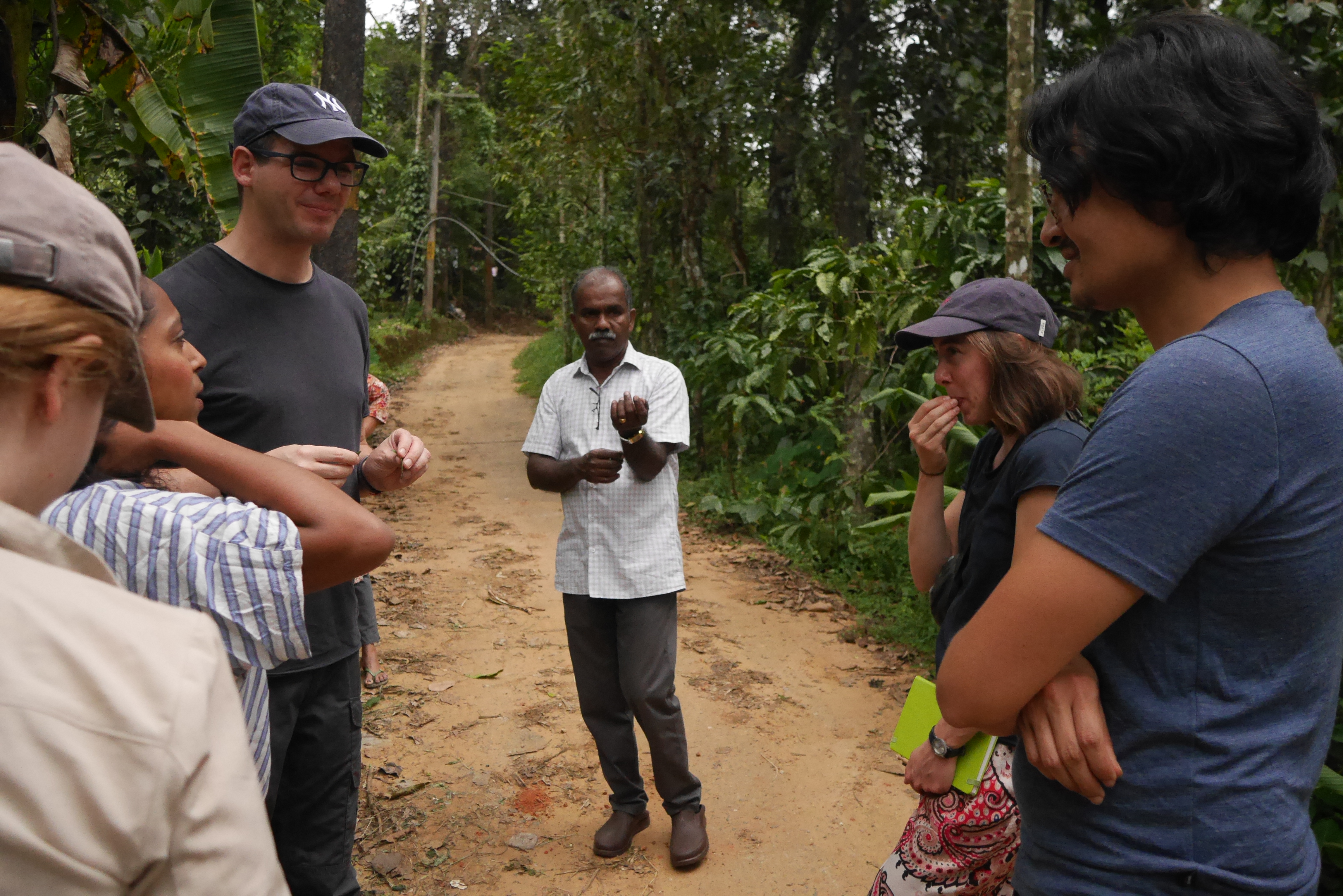
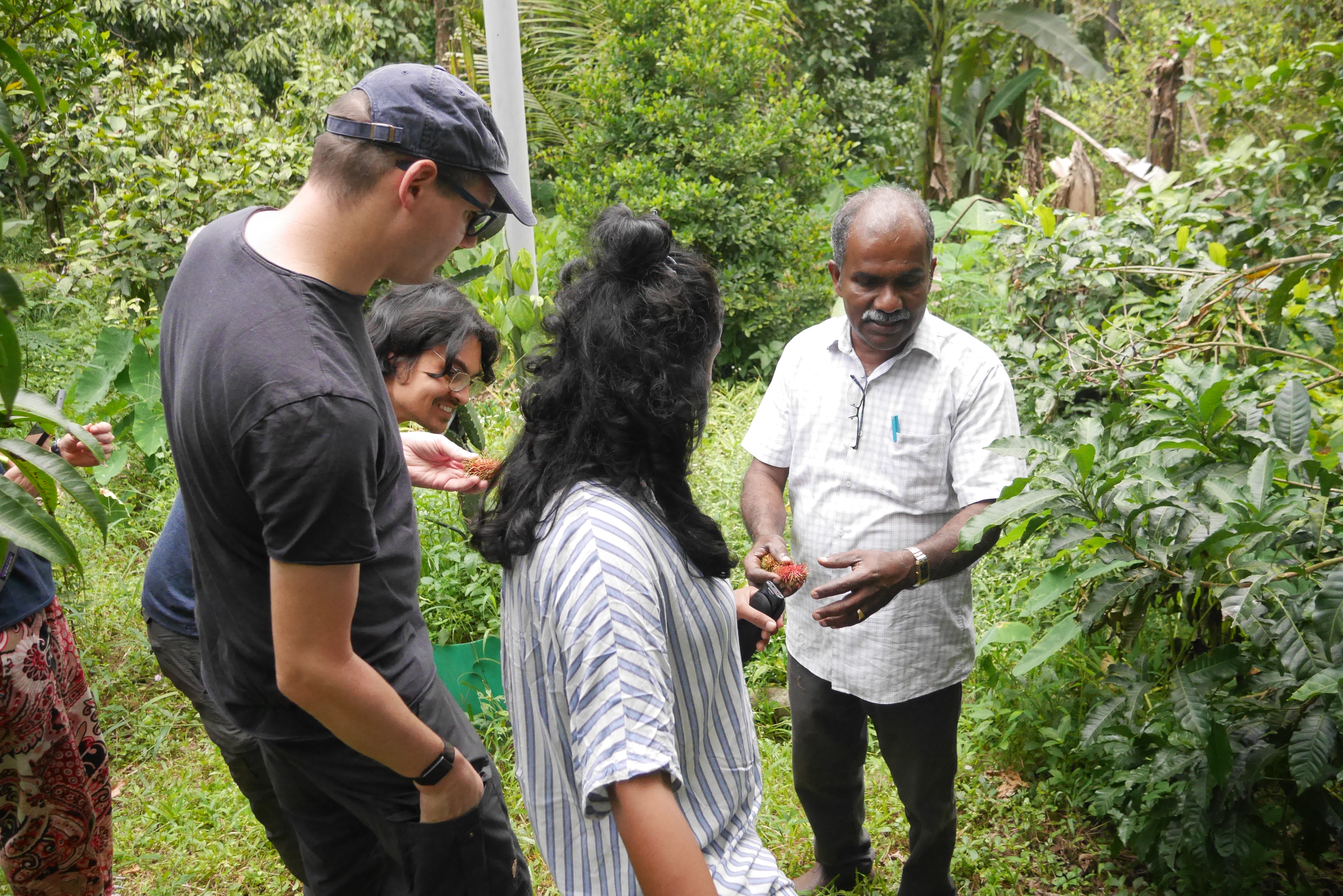
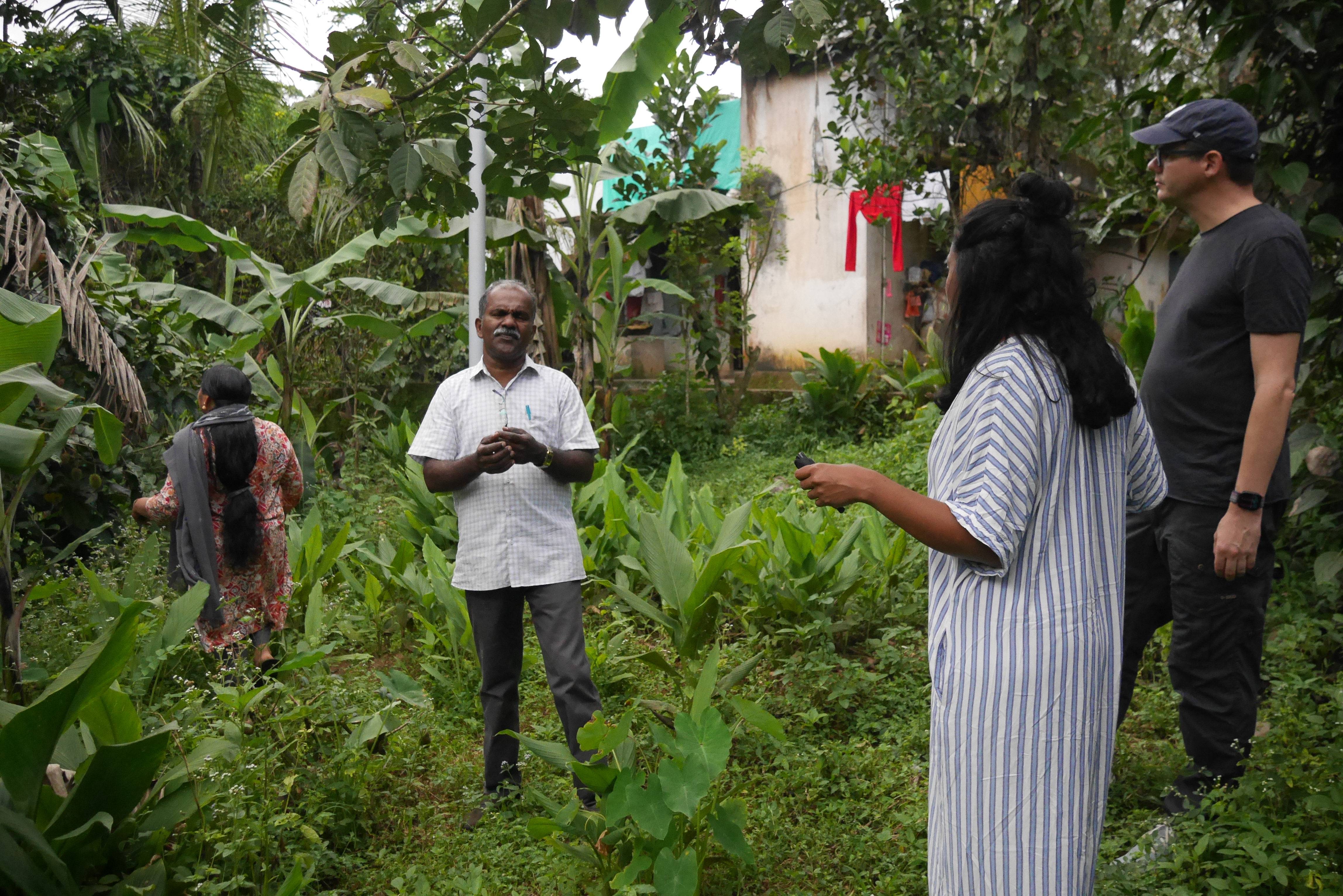
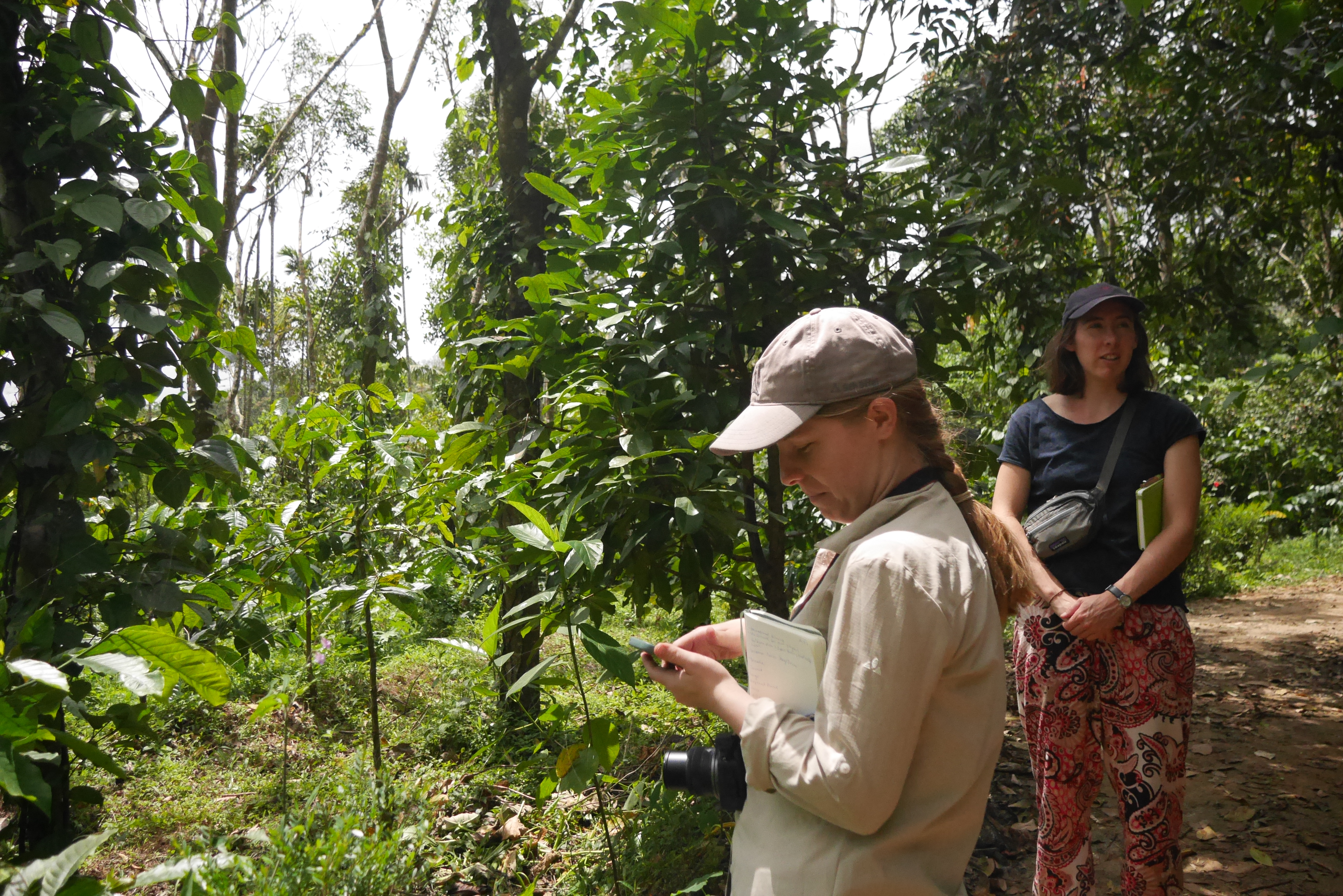
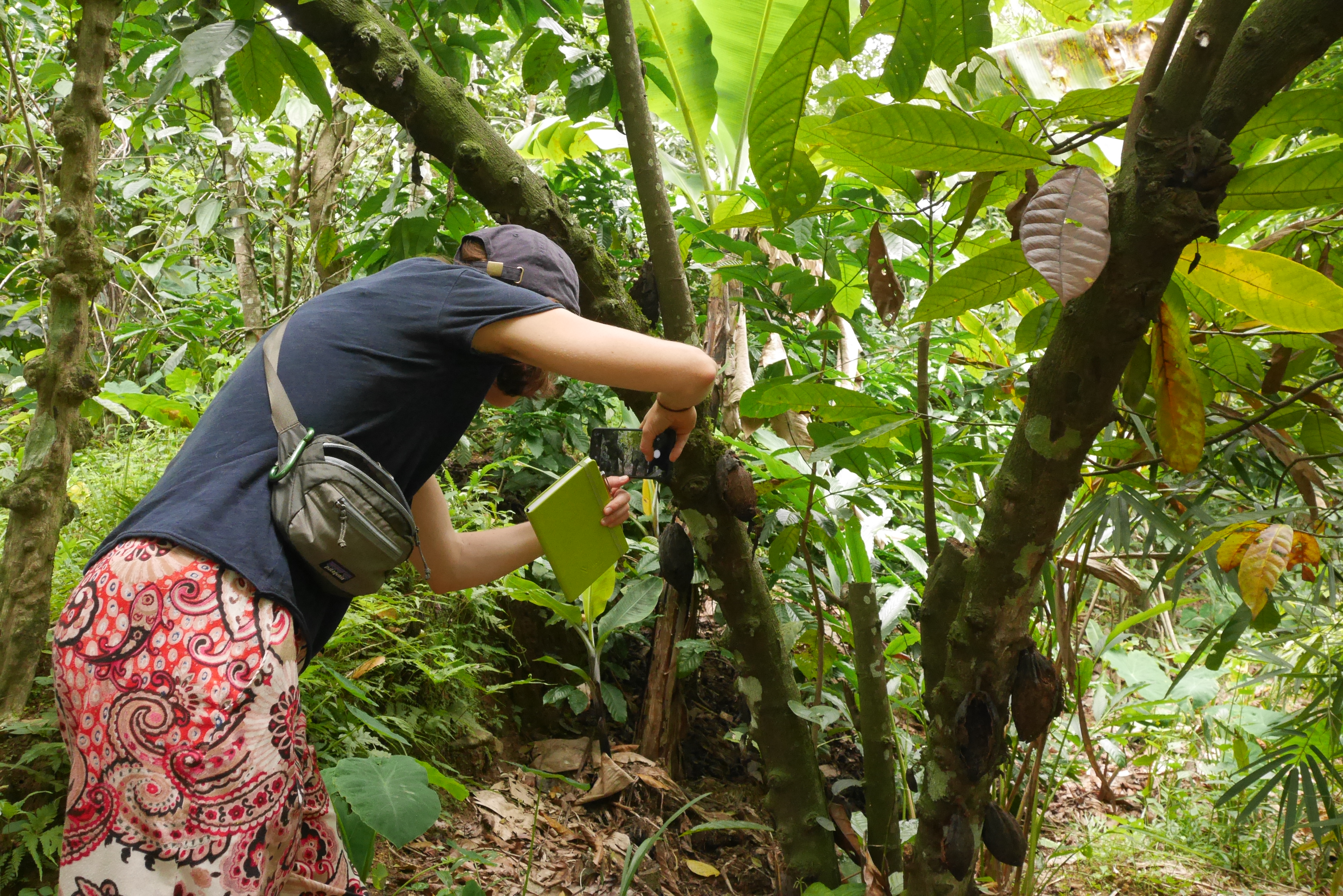
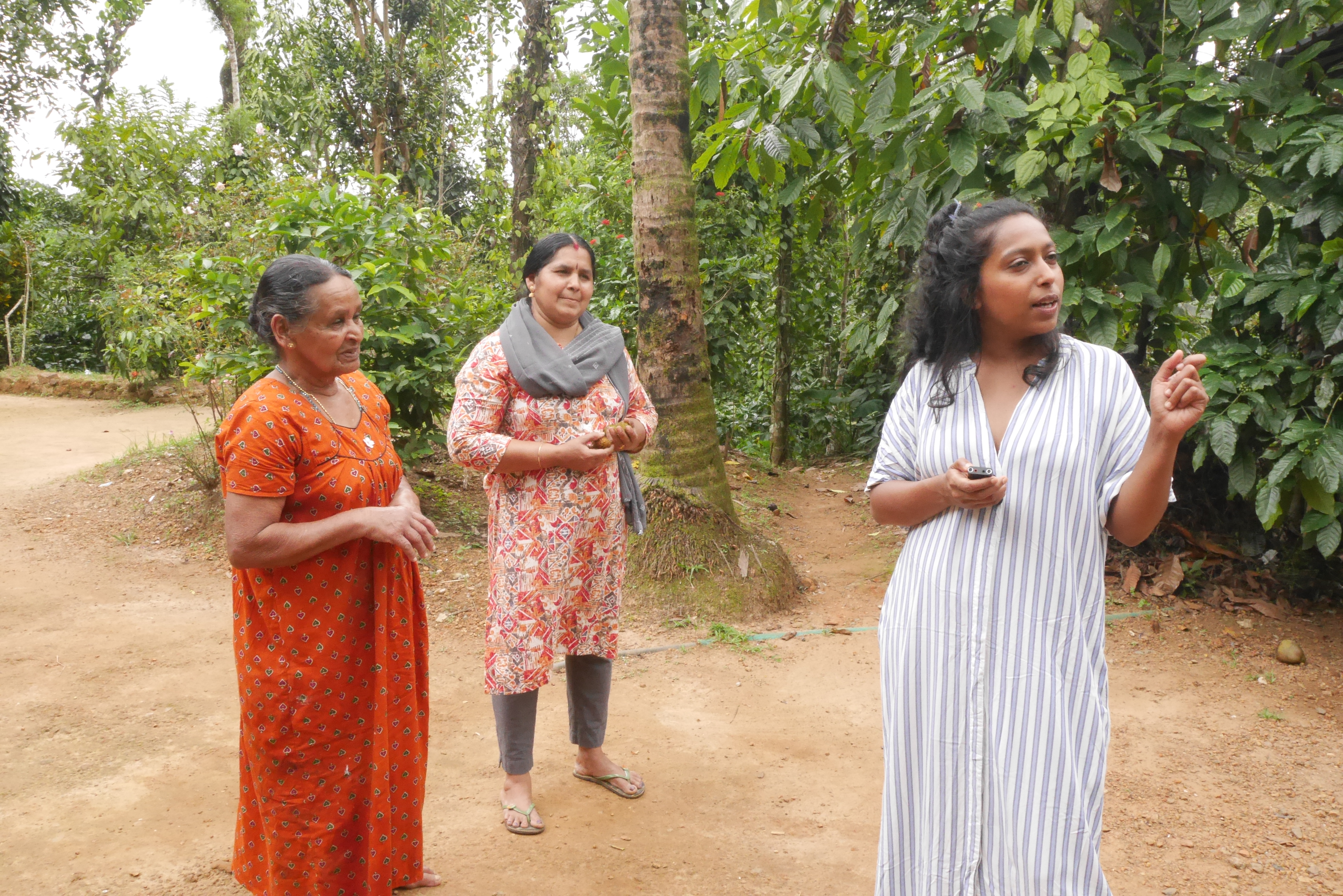
Our first stop was the farm of Mr. Dileep Kumar K. J., an agroforestry farmer whose land feels more like a carefully curated forest than a conventional farm.
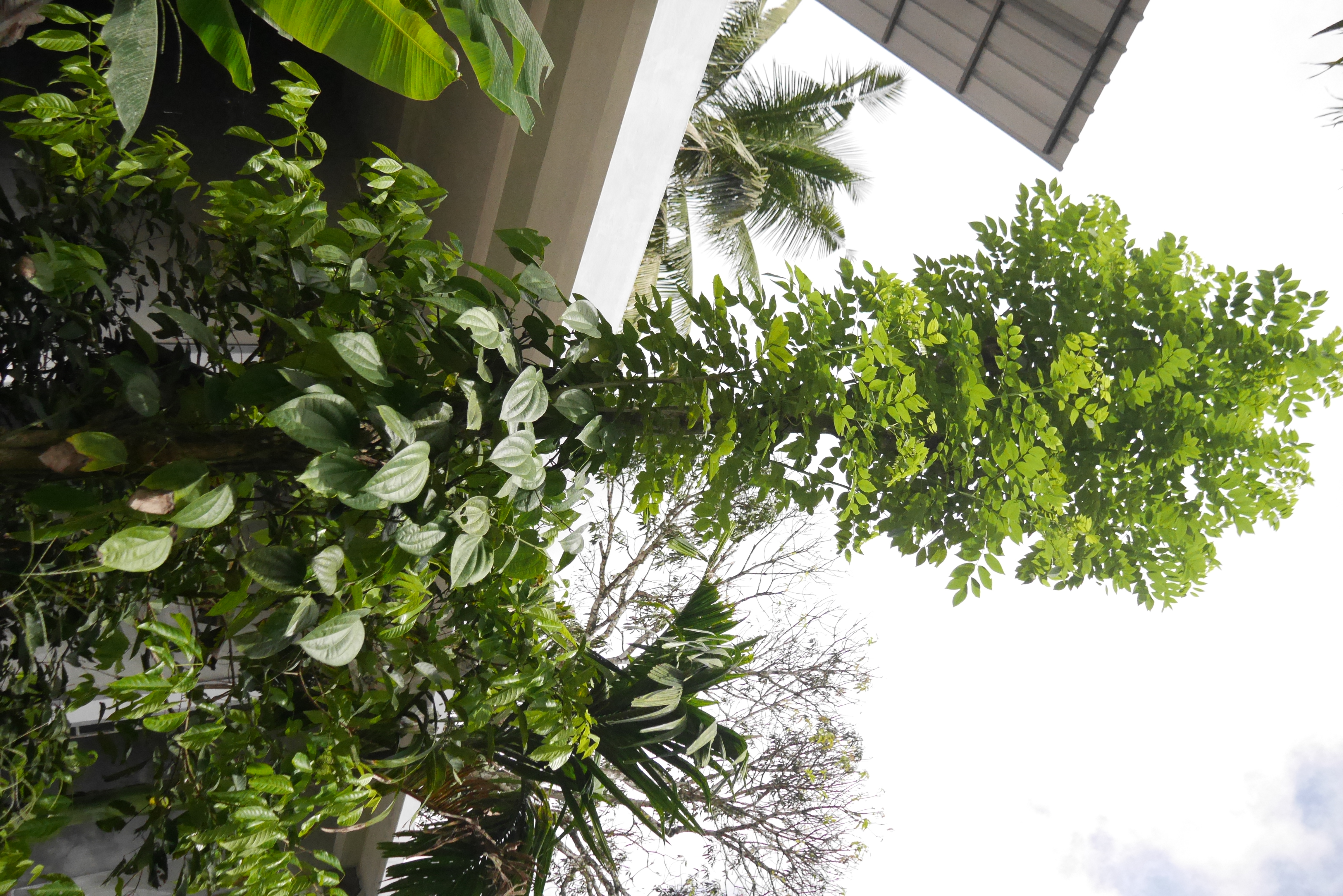
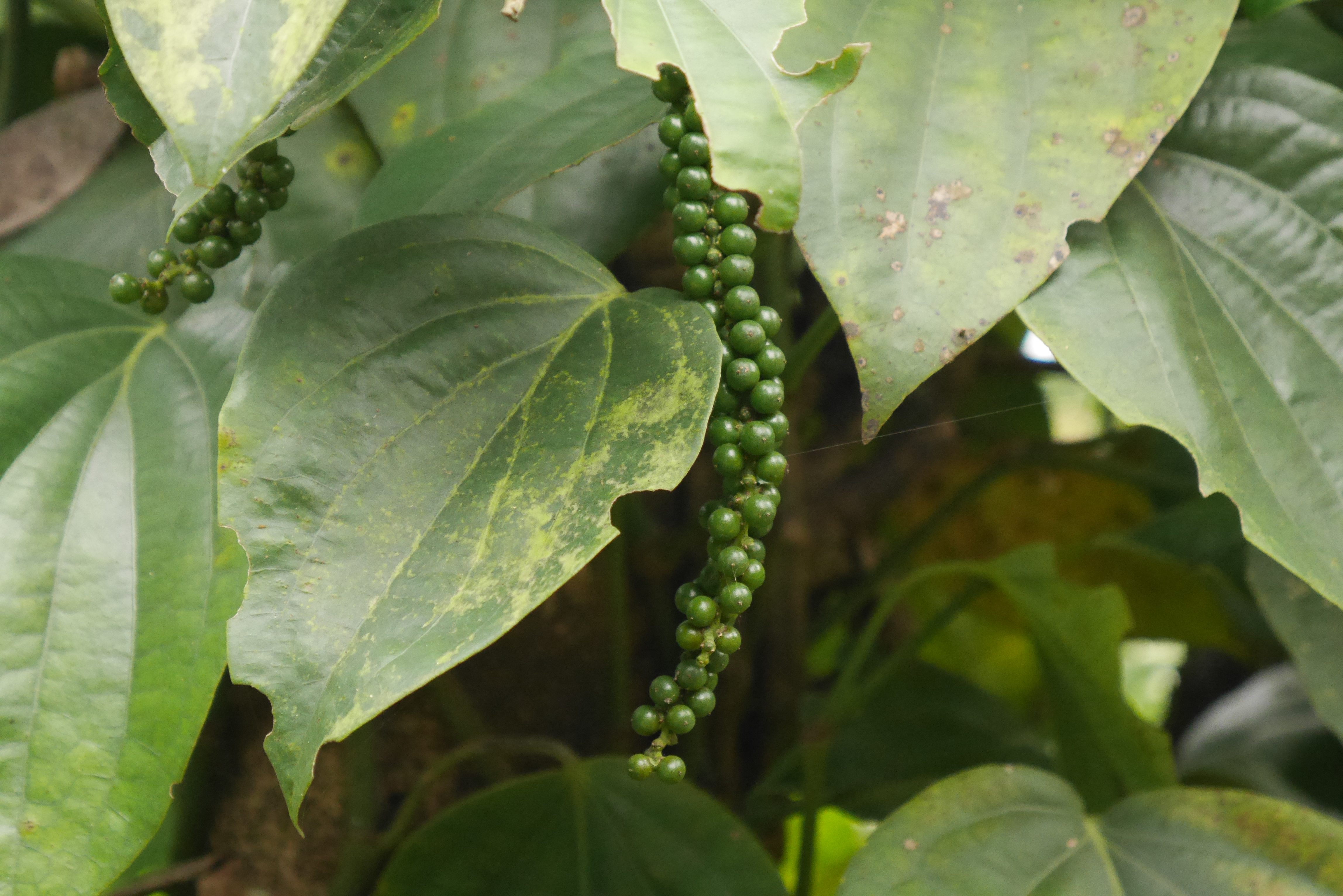
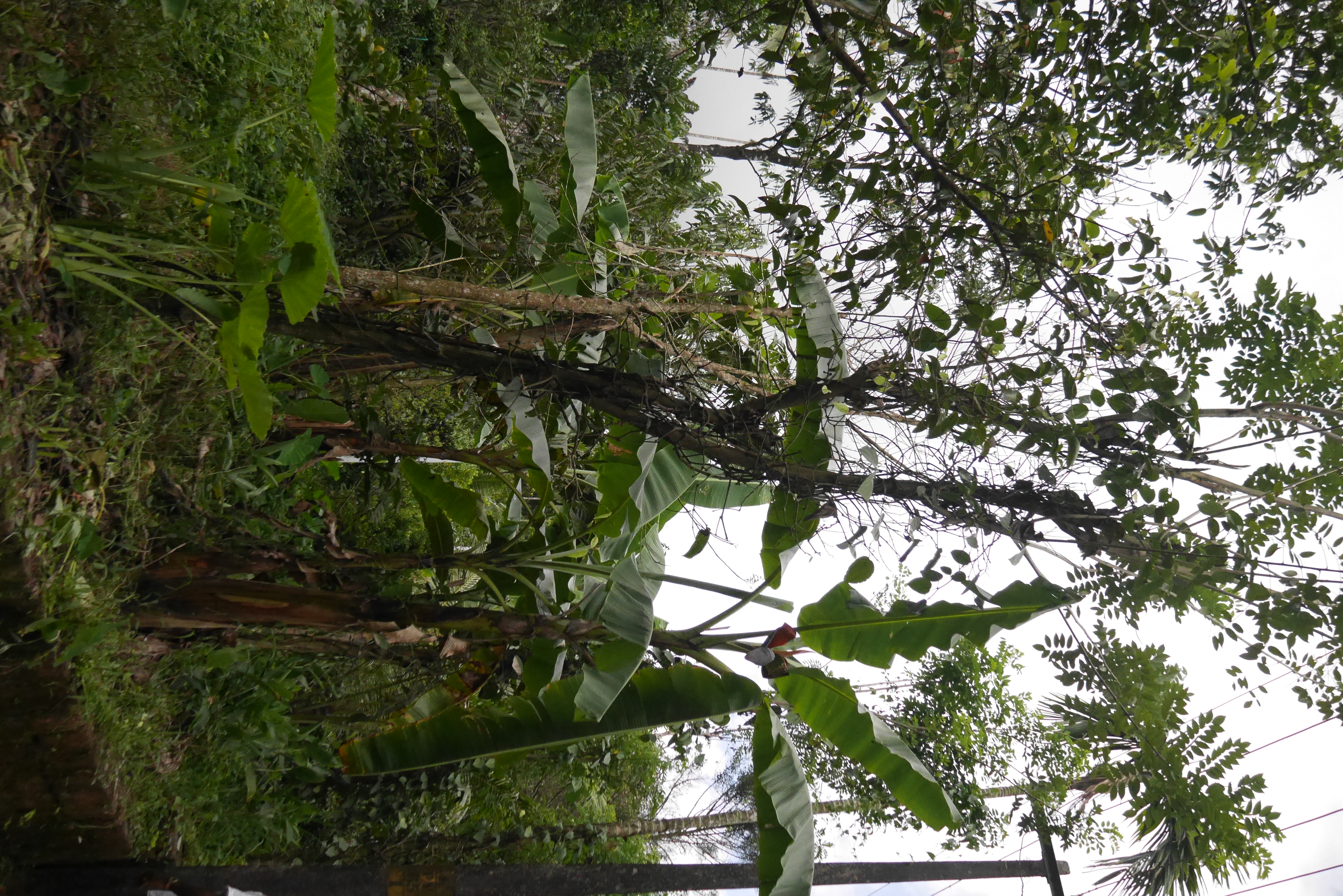
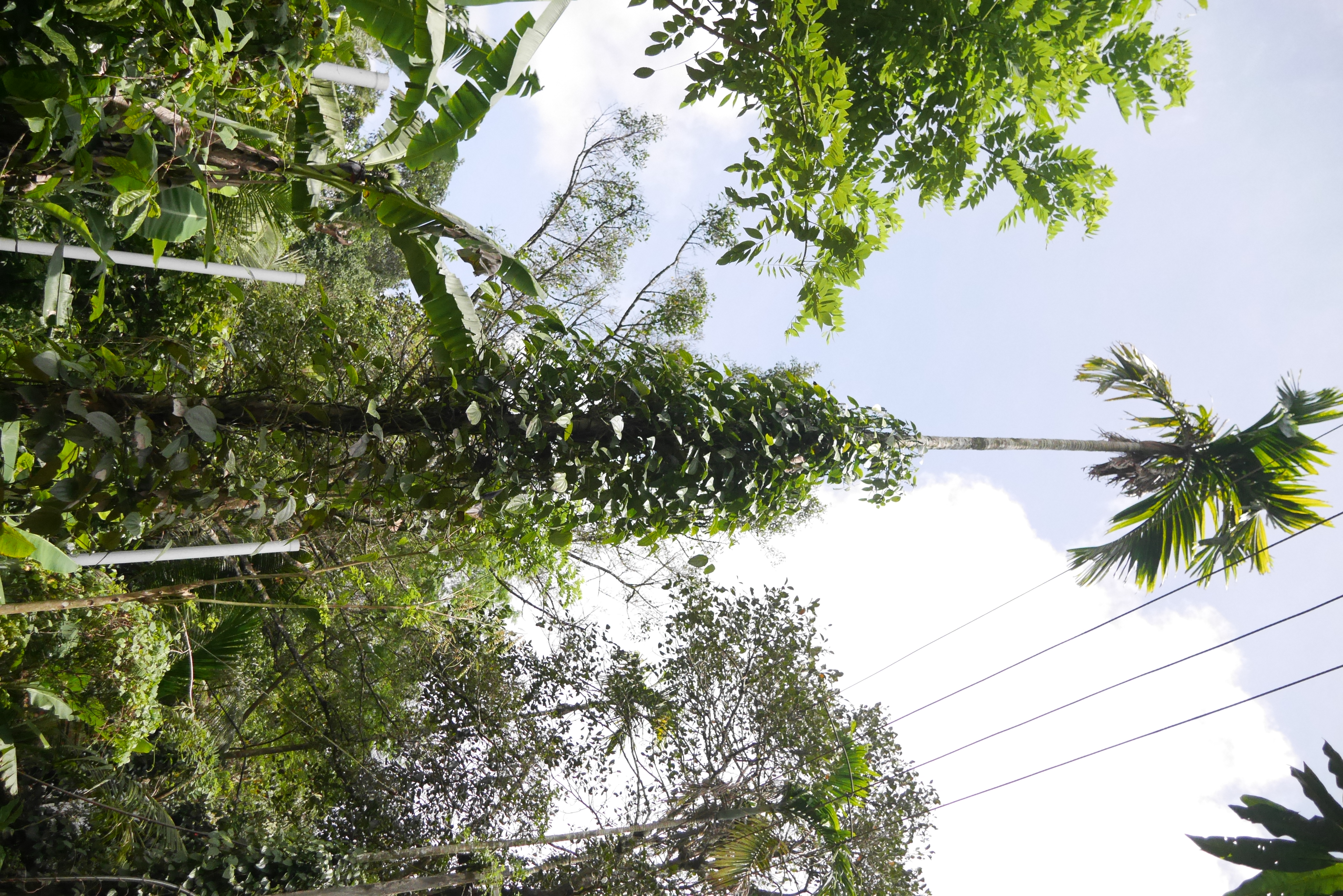
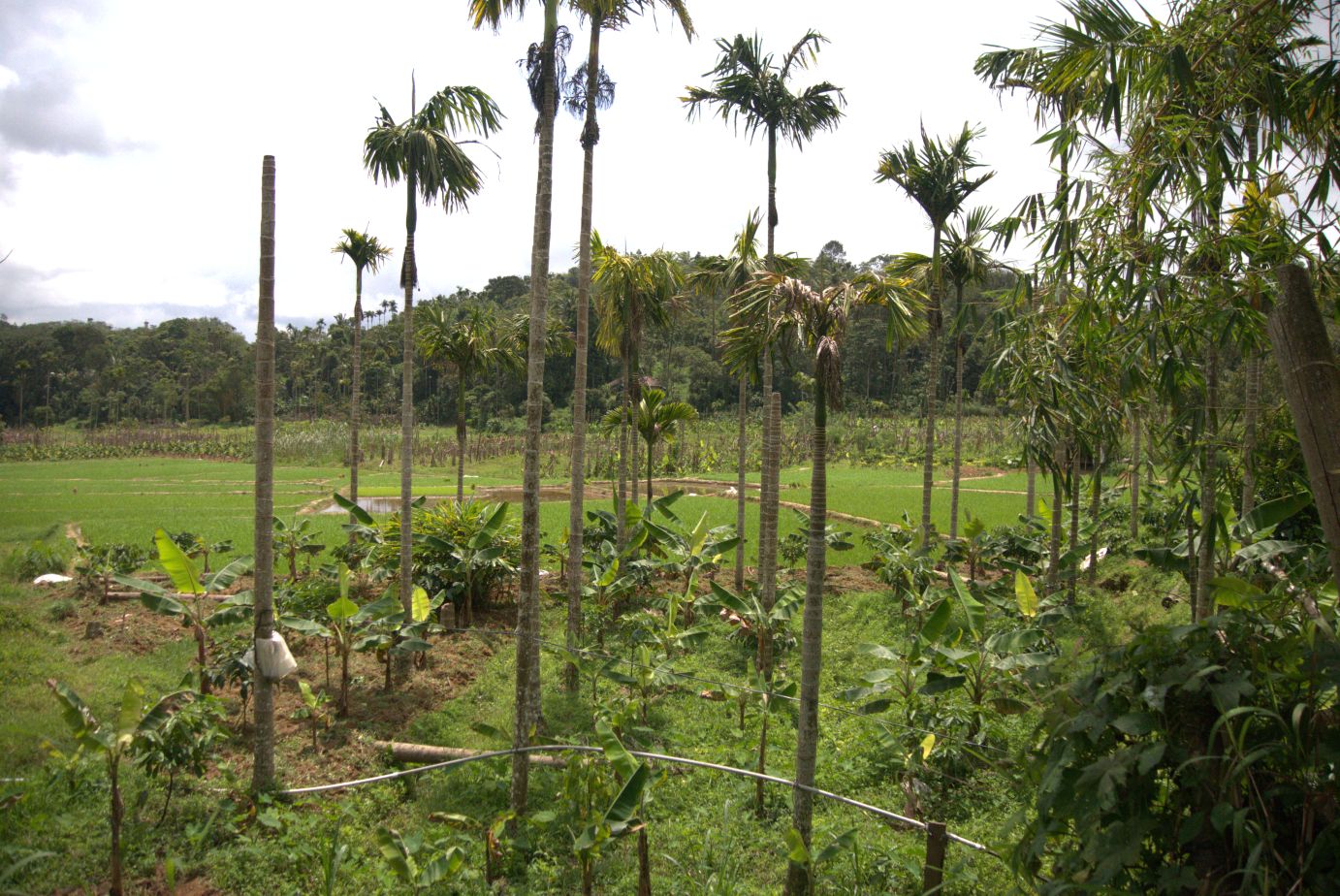
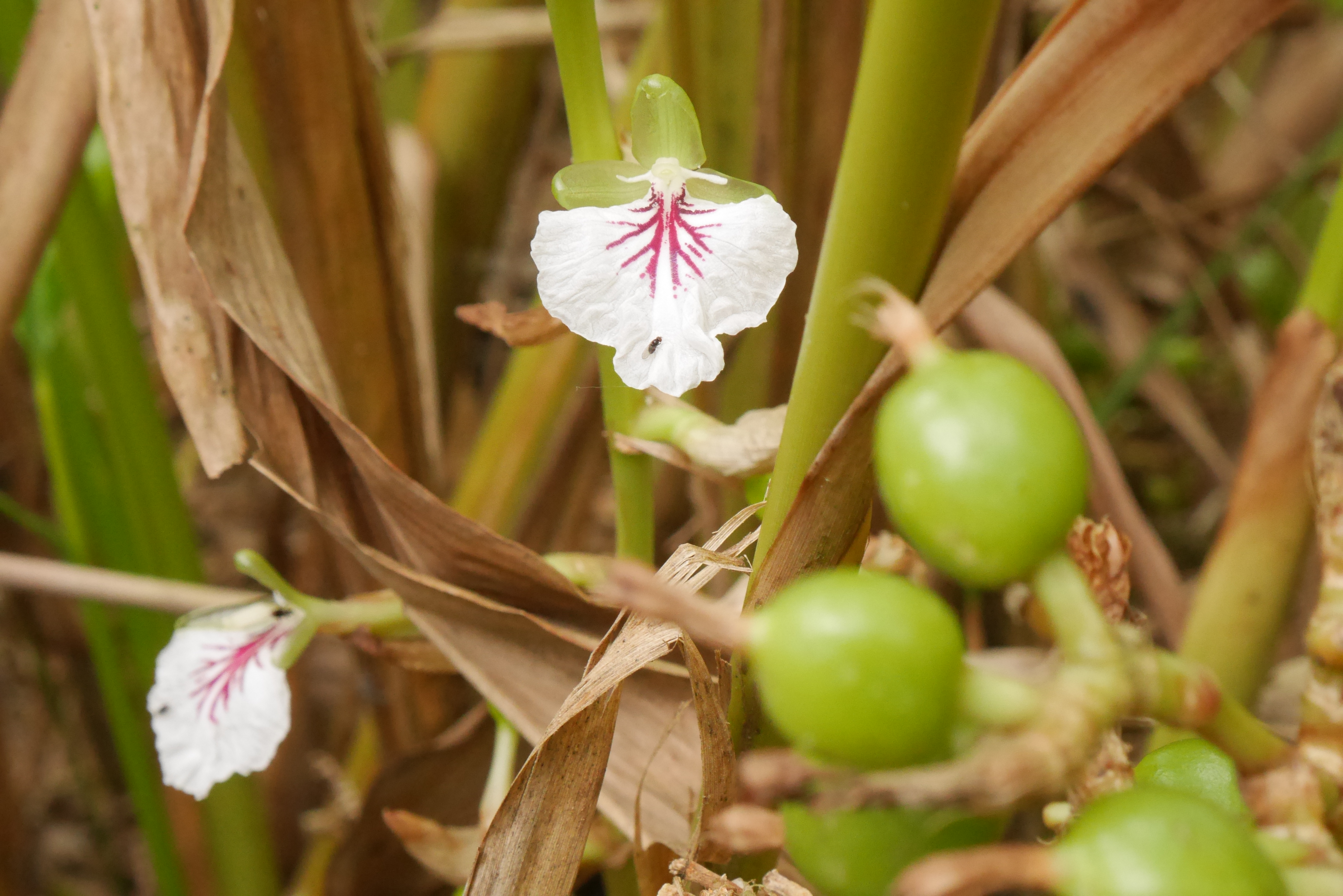
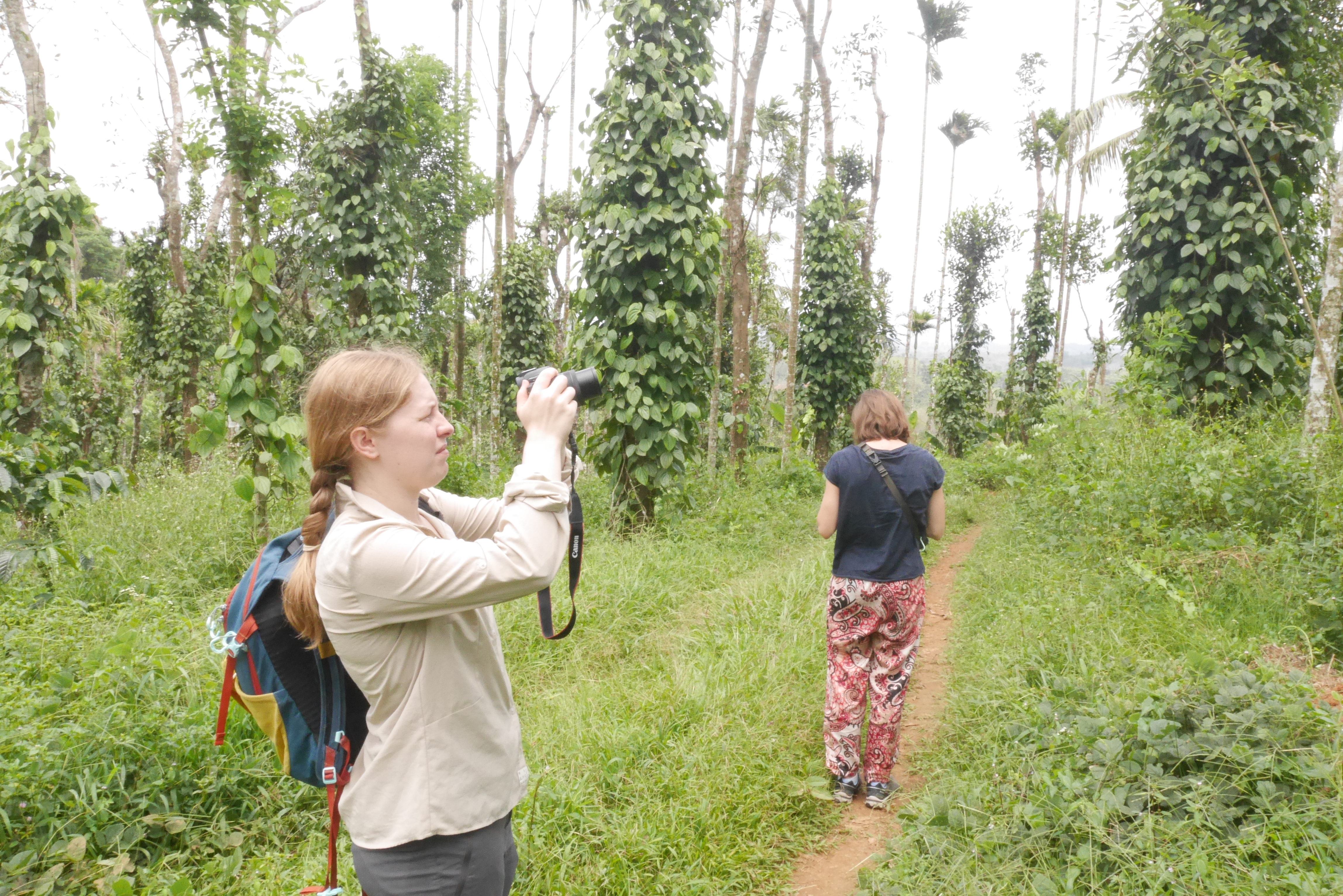
As we walked through his fields, the diversity was striking. Rambutan and jackfruit trees towered overhead, while pepper vines climbed up areca, rubber and other trees. Coffee, paddy and spices like cardamom filled the spaces in between. Every layer had a role – from canopy to understory – creating a living mosaic of food, income and habitat.
Seeing this system up close brought home how smallholders in Wayanad routinely do what many policy documents only describe: they blend biodiversity and productivity, spread risk across multiple crops and create resilient farming systems in very limited space. The visit left us with many questions and even more curiosity about how such systems are managed over time.
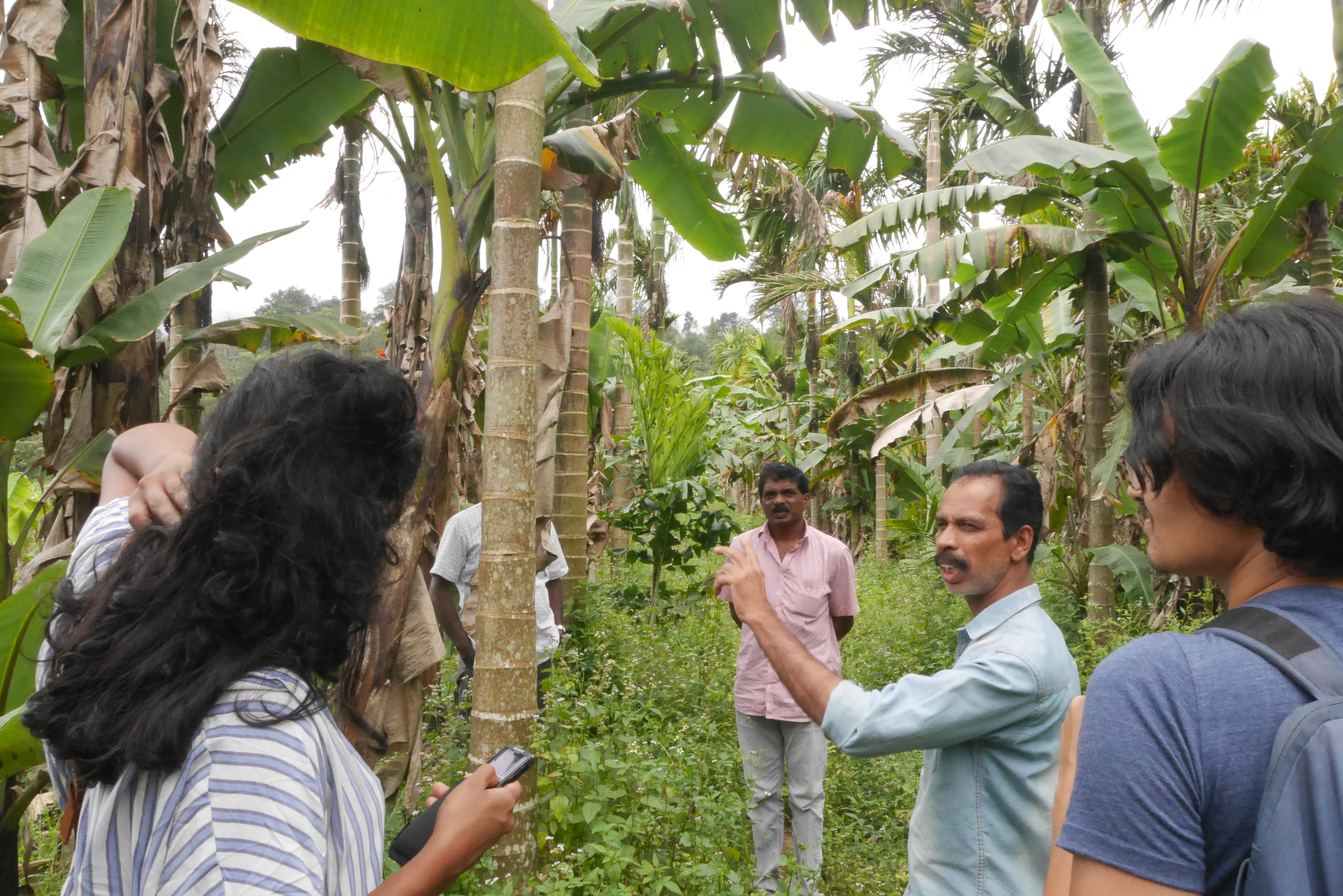
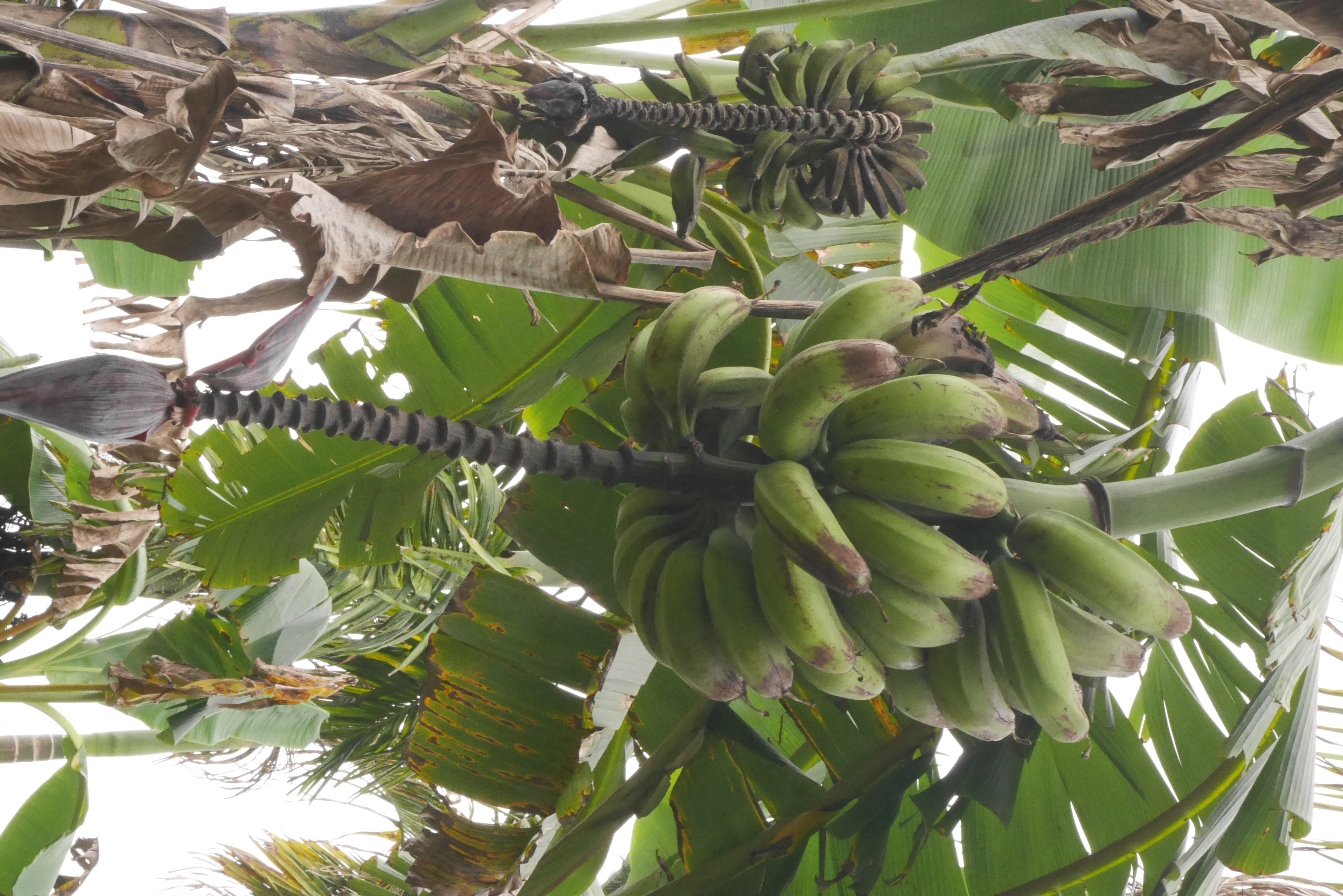
On the same day, we had the privilege of visiting the farm of Mr. Nishanth Keloth, who is cultivating an impressive collection of around 300 banana varieties – including rare local and international breeds. A full-time government employee, he dedicates his free time and often his own savings to preserving and cultivating these unique varieties. His commitment illustrated, in a very concrete way, how individual farmers can act as vital custodians of agrobiodiversity, maintaining genetic resources that are easily lost in more uniform, input-intensive systems.
15 September – At the Community Agrobiodiversity Centre (MSSRF)
The next day, we visited the Community Agrobiodiversity Centre in Wayanad, the regional office of the M. S. Swaminathan Research Foundation (MSSRF). MSSRF, founded in 1988, is known for bringing science and technology into rural development with a clear focus on people and nature. The Wayanad Centre, established in 1997, has become a key hub for community-based biodiversity conservation in the region.
We were warmly welcomed by Dr. Archana Bhatt (Scientist) and Mr. Sanil Pc. (Development Coordinator), who introduced us to the Centre’s work on conserving local crop varieties, supporting farmers’ organisations and strengthening food and seed systems. In conversation with Area Director Dr. Niraj Joshi, we moved from the green surroundings into the tougher questions shaping life in Wayanad today:
- Growing human–wildlife conflicts as forests and farms intersect
- The decline of paddy cultivation and what this means for food security and landscapes
- Shifting rainfall patterns and climate stress
- How farmers from different social backgrounds face very different risks and opportunities
- The urgent need to improve market value chains and build financial resilience for farming households
A guided tour of the Centre’s grounds rounded off the visit. We were introduced to collections of traditional and medicinal plants, many maintained through long-term collaboration with local communities. What stood out throughout the day was how deliberately MSSRF combines scientific knowledge with grassroots participation – not as an add-on, but as the core of its approach.
Looking ahead
The days in Wayanad were intense, inspiring and thought-provoking. Walking through Mr. Dileep’s agroforest and engaging with the MSSRF team gave us a vivid sense of how agroforestry, agrobiodiversity and rural livelihoods are intertwined in practice – and of the social and ecological pressures these systems are under.
We are deeply grateful to Mr. Dileep Kumar K. J.,Mr. Nishanth Keloth, Dr. Niraj Joshi, Dr. Archana Bhatt and Mr. Sanil Pc. for their time, openness and hospitality. The trip has given us not only valuable insights for our work, but also a strong motivation to continue learning from and collaborating with the MSSRF Community Agrobiodiversity Centre and local farming communities in Wayanad.