[25.09.26] Exploring the Interconnections Between Agriculture, Biodiversity, Ecosystem Functioning, and Rural Livelihoods in Wayanad, Kerala (India)

Study region background

Located in the mountainous region of northern Kerala, India, Wayanad forms part of the Western Ghats biodiversity hotspot, a region of exceptional ecological significance and biological diversity.

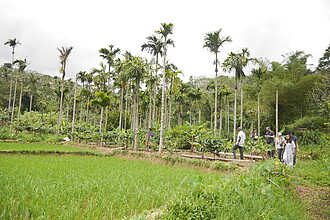
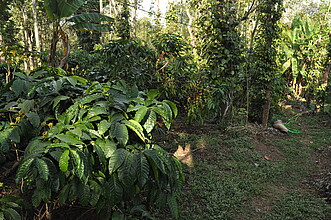
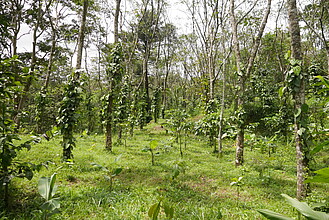
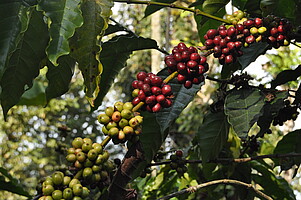
Covering approximately 2,130 km², Wayanad comprises a heterogeneous landscape mosaic of forests, agricultural areas, and human settlements. Nearly half of the region is under cultivation, with diverse agroforestry systems predominantly managed by smallholder farmers. The close spatial integration of agricultural and natural ecosystems makes Wayanad particularly suitable for investigating the interactions between agricultural land use, biodiversity, ecosystem functioning, and rural livelihoods.

Research objectives

The BRIGHT-Futures project investigates three interconnected research questions:

  • Biodiversity and ecosystem functioning: How do agricultural management practices influence biodiversity and associated ecosystem functions?
  • Agroecology and social networks: How are agroecological practices and farmers’ social networks associated with biodiversity and ecosystem functioning?
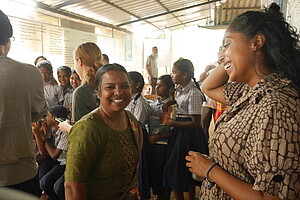
  • Women's empowerment: How does women's empowerment influence land-use decisions, agricultural biodiversity, and ecosystem functioning?


Integrating ecological and socioeconomic research

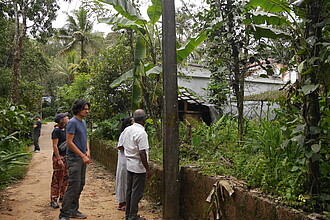
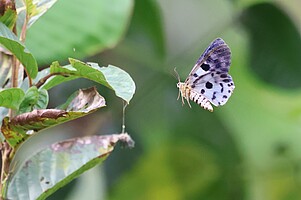
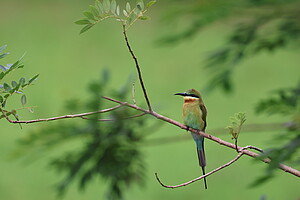
To address these questions, the BRIGHT-Futures team employs an interdisciplinary research approach combining ecological field assessments with socioeconomic surveys. Across farms representing gradients of agroecological management and farmers’ social connectedness, Hannah Melcher, David Vallon, Niclas Magnussen, Nora Bockstahler, and Cassandra Vogel from the Department of Ecology of Tropical Agricultural Systems assess vegetation, bird, and arthropod diversity, while Navya Itty from the Department of Sustainable Use of Natural Resources conducts socioeconomic surveys to collect data on crop yields, farm income, agroecological practices, and broader social dimensions of farming.

Collaborative field research in 2026

In close collaboration with Kerala Agricultural University (KAU) and the M. S. Swaminathan Research Foundation (MSSRF), the BRIGHT-Futures team is conducting a three-month joint field research expedition in Wayanad during the final months of 2026.

By integrating ecological and socioeconomic data, the project aims to advance our understanding of how agricultural management practices and social factors interact to shape biodiversity, ecosystem functioning, and rural livelihoods in our model region in Wayanad. Ultimately, these findings are expected to contribute to the scientific evidence base for biodiversity conservation, sustainable agricultural management, and socially inclusive rural development.

Further updates and insights from the ongoing field research in Wayanad will follow.